.jpg)

Key Takeaways
- Only meeting organizers and users with specific permissions can record Microsoft Teams meetings, ensuring content is managed by trusted individuals.
- Recordings can be started and stopped easily across various devices like Windows, Mac, mobile, and web apps, with clear instructions for each.
- To enhance the recording experience, consider using high-quality microphones, third-party tools for transcription, enabling automatic recording for recurring meetings, and taking effective meeting notes to boost productivity.
Who can record Microsoft Teams meetings?
The simple answer is that certain people in your organisation have the power to record Microsoft Teams meetings. These are usually the meeting organiser and anyone else who's been given the right permissions by your IT team.
The meeting organiser can decide who gets to record during the meeting - they might let their co-organiser in or some of the other participants who have the right permissions.
Guests and external participants can only record if they've been given permission to do so by your organisation's IT admin. That way, you keep control over what gets recorded.
How to start recording a Microsoft Teams meeting on different devices
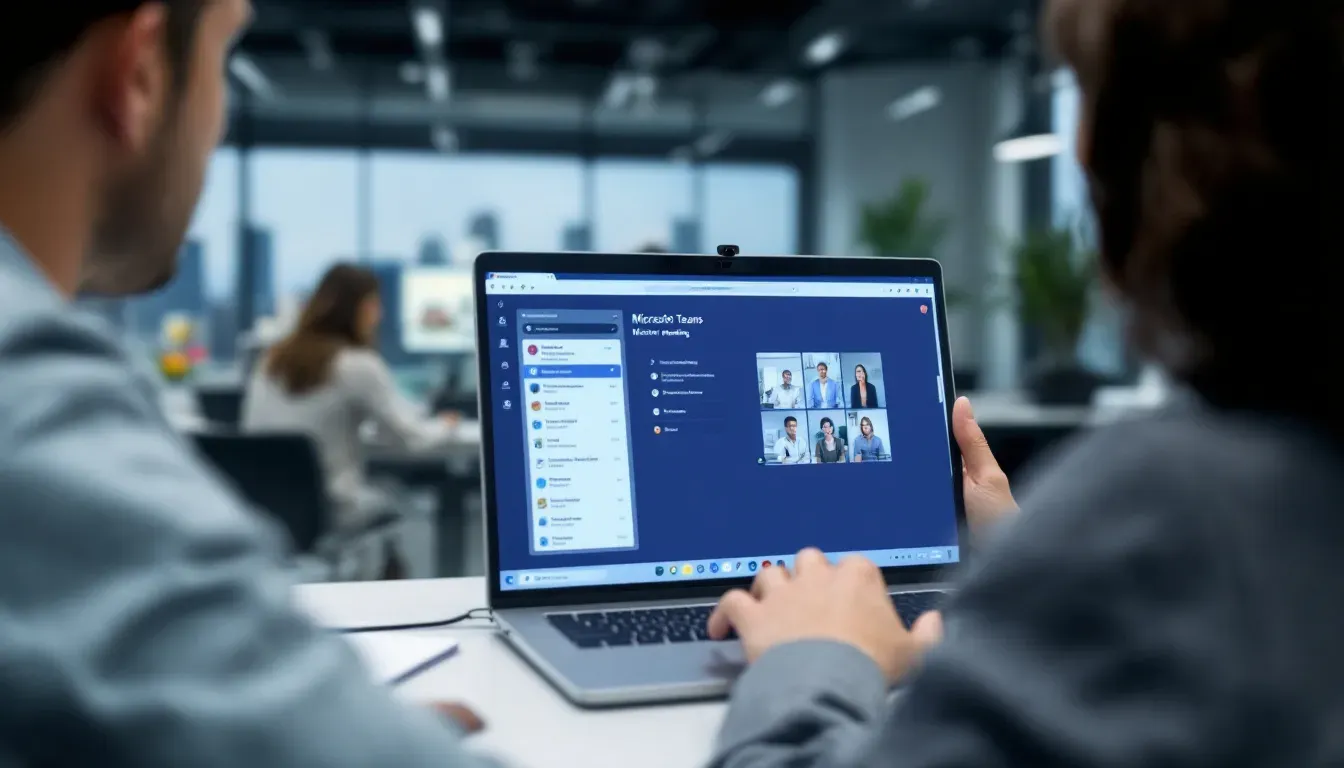
Microsoft Teams meetings can be recorded across various devices, including Windows, Mac, mobile device, and the web app. Typically, this involves joining the meeting, accessing the meeting controls, and selecting the option to meet start recording within the meeting window.
The built-in recording feature is user-friendly, allowing you to capture audio, video recording, and screen sharing activity effectively.
Recording on Windows
For Windows users, record a microsoft teams meeting is straightforward. Follow these steps:
- Launch the Microsoft Teams app and join the meeting.
- Access the meeting controls.
- Click on ‘More actions.’
- Select ‘Record and transcribe.’
- Click ‘Start recording.’
This action will notify all participants, maintaining transparency.
To stop the recording, select ‘More actions’ again and click ‘Stop recording’ from the meeting controls, ensuring the recording captures only the necessary parts of the meeting.
Recording on Mac
Mac users can record Microsoft Teams meetings using QuickTime Player, a built-in application on macOS. Follow these steps:
- Open QuickTime Player.
- Select ‘New Screen Recording’ from the File menu.
- Join your Teams meeting.
- Initiate the screen recording.
To stop recording, return to QuickTime Player and click the stop button, ensuring all audio, video, and screen-sharing activities are captured effectively.
Recording on mobile devices (iPhone and Android)
Recording Teams meetings on mobile devices is straightforward. Follow these steps:
- Download the Microsoft Teams app.
- Sign in.
- Grant the app access to your microphone and camera.
- Join the meeting.
- Access the meeting controls.
- Select ‘Start recording’ from the options menu.
Enhance the recording experience by using third-party apps like XRecorder or Notta, which offer additional features. Always inform participants before starting the recording to maintain transparency.
Recording via the web app
Recording a Teams meeting via the web app is also accessible. To start recording:
- Join the meeting through the Microsoft Teams web app.
- Navigate to the meeting controls.
- Select the ‘More actions’ menu.
- Click on ‘Start recording’ to record a teams meeting.
This notifies all participants that the recording has begun.
To stop the recording, revisit the ‘More actions’ menu and select ‘Stop recording’, ensuring the meeting is recorded from start to finish without interruptions.
Where are Microsoft Teams recordings stored?
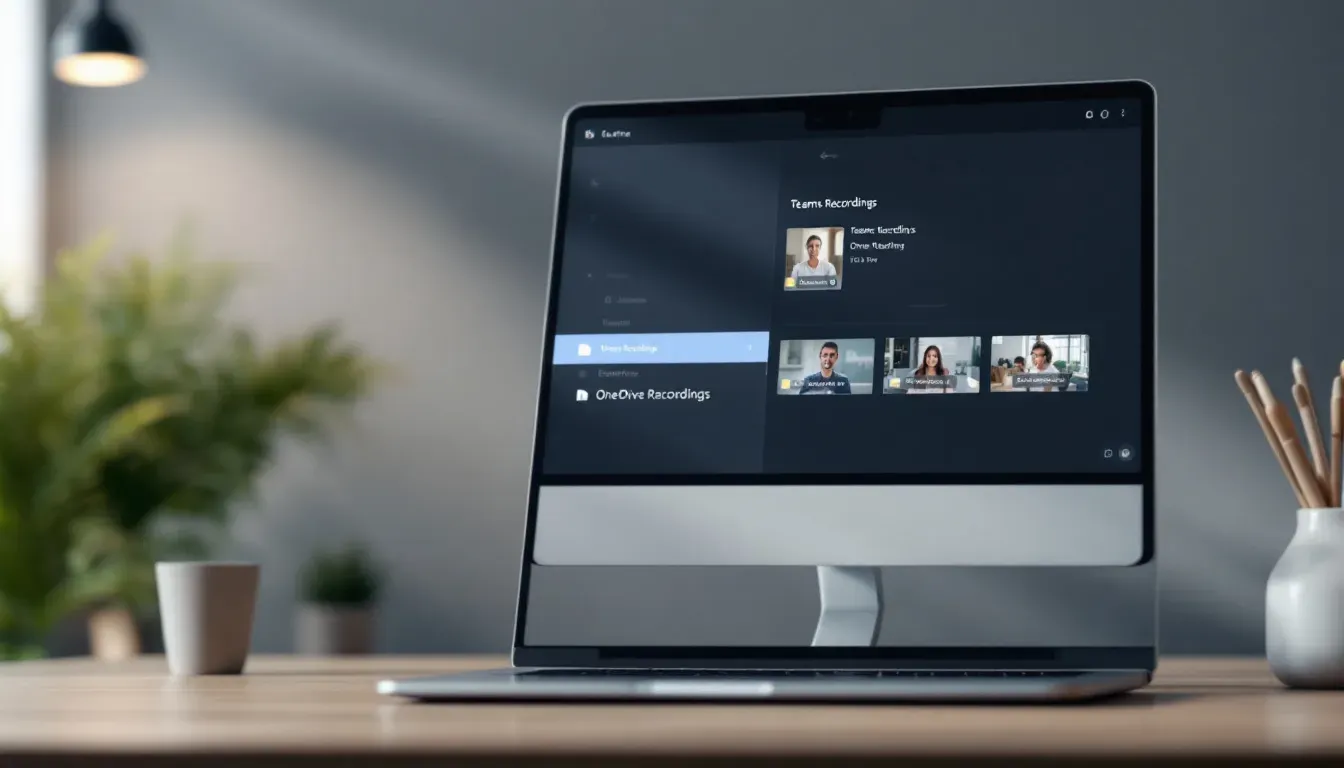
Knowing where your recordings are stored is cool - that way you can easily access and share them. For individual meetings, the recording goes to the meeting organiser's Microsoft account, in a folder called 'Recordings'. That way, it's all in one place and easy to find.
For channel meetings, the recording goes to the SharePoint doc library associated with that channel. If a recording fails to upload to OneDrive for some reason, it gets saved in async media storage for up to 21 days, so you don't lose it.
How to access your Microsoft Teams meeting recordings
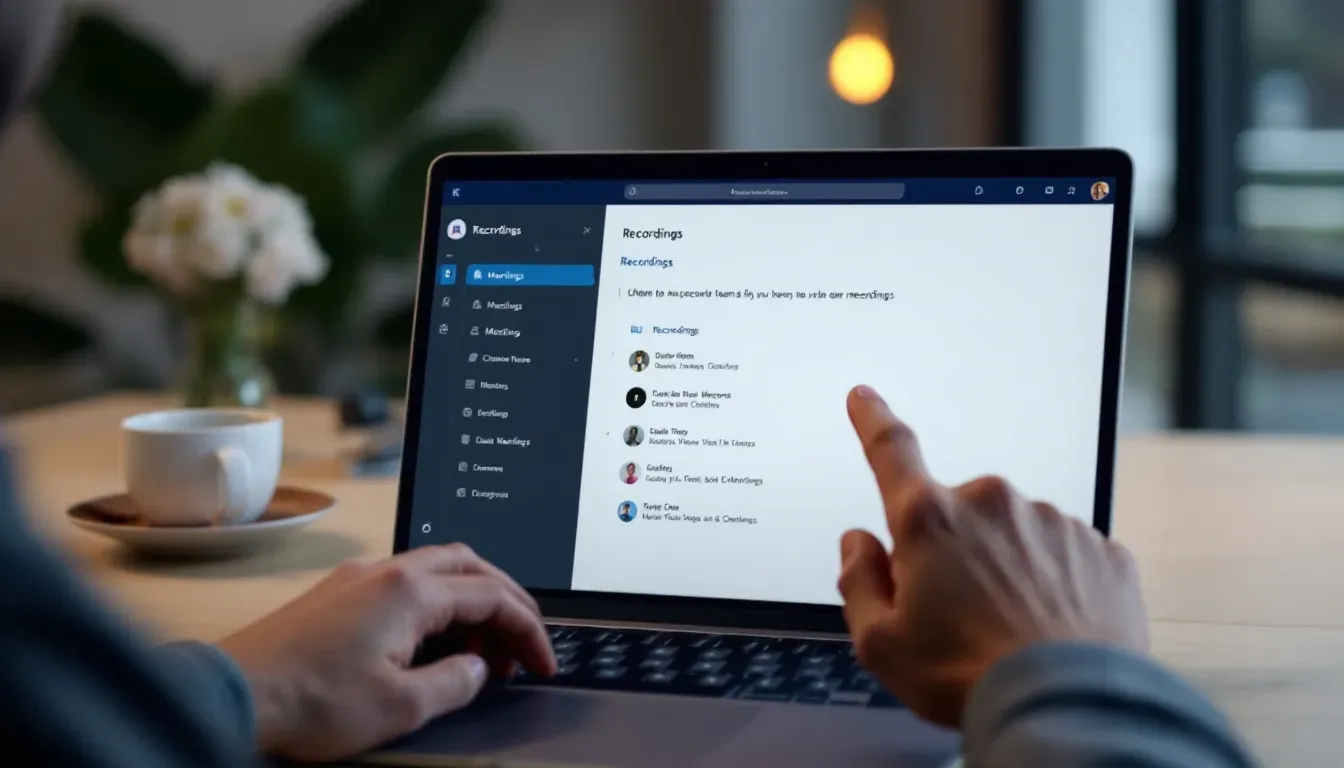
Getting to your Teams recordings is easy once you know where to look. The organiser's recordings are stored in their OneDrive, under 'Recordings'. You can get to them via the OneDrive web site or desktop app.
For channel meetings, the recordings are in the associated SharePoint library. If you can't find a recording, try looking in the Recordings folder in OneDrive or the Teams site documentation library in SharePoint. External participants will need the right permissions to get to the recordings.
Troubleshooting common recording issues in Microsoft Teams
Recording a Teams meeting is usually pretty straightforward, but sometimes things can go wrong. Double-check that both the meeting organiser and the person recording have the right licences. If the recording button's missing, try leaving the meeting and joining it again.
IT Admins:
- Look after the recording policies and sort out any problems that come up.
- Help with setting permissions using the Microsoft Teams admin centre or PowerShell.
- Make sure the recording feature is working for the people who need it.
If you cant use Microsoft's built-in recording tool, third-party software will have to do.
Upgrading your Microsoft Teams recordings
Upgrading your Microsoft Teams recordings can make a huge difference in how well you can understand and use them. Using a top-notch microphone can dramatically improve the sound quality. And dont forget to activate that background noise suppression feature to prevent distractions and keep the recording quality as high as possible.
There are tools like Notta & Otter that you can integrate with Microsoft Teams to get auto-transcription and high-quality audio recording. These tools make it easy to get live transcription & correct any audio errors that pop up during a meeting, making recordings way more accessible and professional.
Toggling on auto record for Microsoft Teams meetings
Having auto record on for your Microsoft Teams meetings helps you avoid missing out on any of the important details. To get this set up you just need to follow these easy steps:
- Head over to the Teams calendar
- Find the meeting you're interested in
- Tap edit
- In the settings for recording click on the box that says 'record automatically' and its all set to go.
Activating auto record before the meeting starts ensures that the recording begins as soon as the meeting kicks off, which is a big help for meetings that happen frequently. Plus you can use this to record meetings just in case, so you never miss a thing.
Protecting privacy in Microsoft Teams meeting recordings
Privacy is a major concern when it comes to recording Microsoft Teams meetings. Make sure to let everyone know when a meeting is being recorded and Microsoft Teams will automatically send a message to all participants when the recording starts so they know.
Some workplaces may require participants to give explicit permission for recording & transcribing, so be sure to check your companies policies on that sort of thing.
Summary
Mastering the art of recording Microsoft Teams meetings can significantly enhance your productivity and ensure that no vital information is lost. From understanding who can record and how to start recording on various devices, to knowing where recordings are stored and how to access them, this guide has covered all essential aspects.
By implementing the tips and troubleshooting advice provided, you can ensure high-quality recordings that are easy to access, share, and utilize. Embrace the power of Microsoft Teams recordings and take your virtual meetings to the next level.
Who can record Microsoft Teams meetings?
You can record Microsoft Teams meetings if you're the meeting organizer or have the right permissions set by your IT admin. Just a heads up, guests usually need special permission to start a recording.
How do I start recording a Microsoft Teams meeting on Windows?
To start recording a Microsoft Teams meeting on Windows, just join the meeting, click on 'More actions' in the meeting controls, and select 'Record and transcribe' followed by 'Start recording.' It's that simple!
Where are Microsoft Teams recordings stored?
Microsoft Teams recordings are stored in the organizer's OneDrive for individual meetings and in the SharePoint document library for channel meetings. So, you’ll find them in these respective locations depending on the meeting type.
What should I do if the recording button is missing?
If the recording button is missing, try leaving and rejoining the meeting. Also, make sure that both you and the meeting organizer have the proper licenses to record.
How can I enhance the quality of my Microsoft Teams recordings?
To enhance your Microsoft Teams recordings, invest in a high-quality microphone, enable background noise suppression, and try using tools like Notta or Otter for improved transcription and audio clarity. You'll notice a significant difference!